
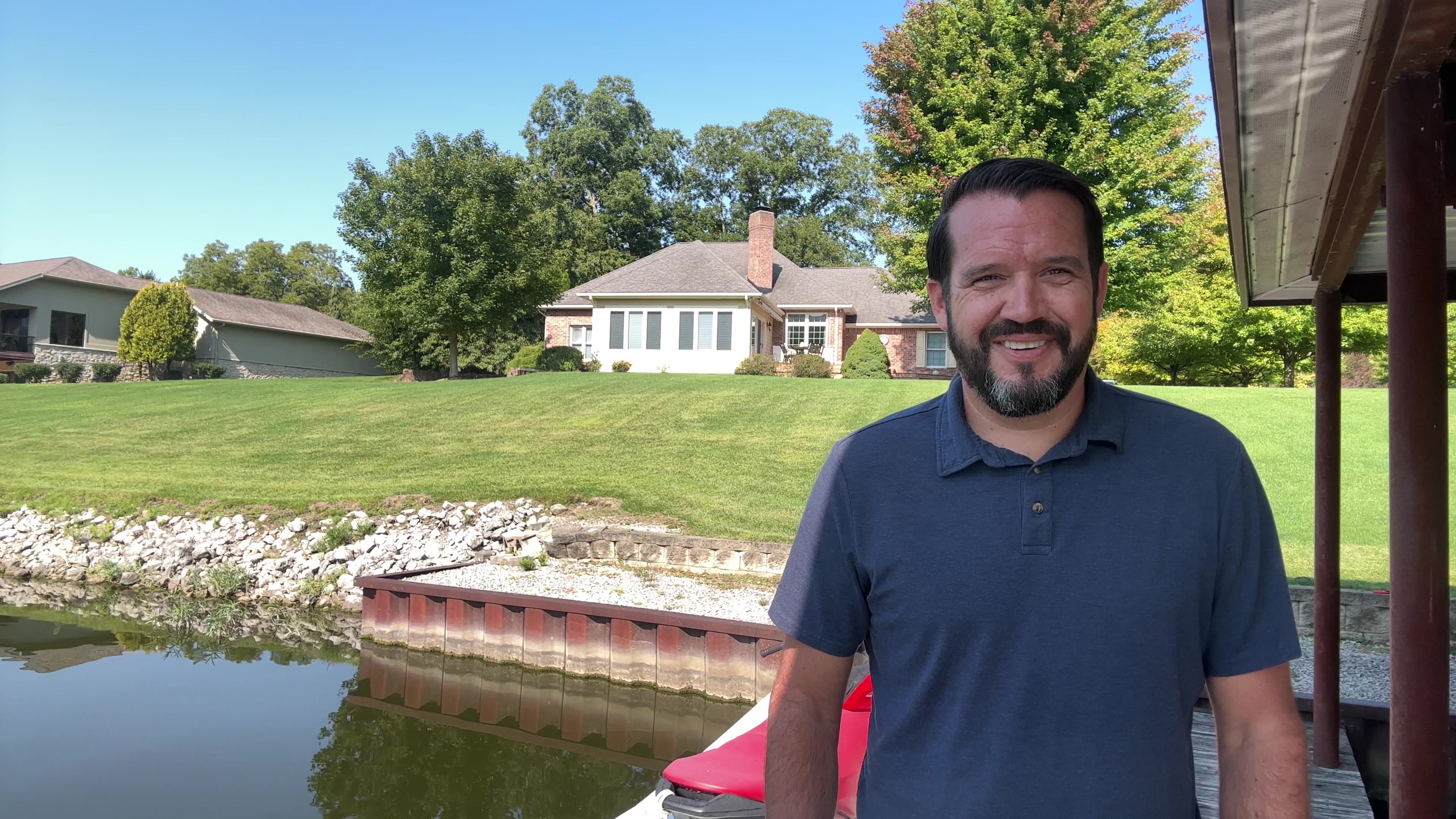

Nestled in the heart of Indiana, the twin jewels of Lake Shafer and Lake Freeman have defined Monticello’s lakefront for nearly a century. To newcomers and lifelong residents alike, the area is more than just a place—it’s a living reflection of local heritage, ingenuity, and community spirit. If you’ve ever strolled along West Shafer Drive or spent a lazy afternoon at the Indiana Beach Boardwalk, you know there’s something truly special about life by the water. But how did the Lakefront neighborhood come to be, and what stories lie beneath its shimmering surfaces?
The Origins: From Dream to Destination
The story of Monticello’s lakefront begins in the roaring 1920s, an era of big dreams and bigger transformations. Before Lake Shafer and Lake Freeman ever sparkled, this stretch of White County was crisscrossed by the Tippecanoe River, nourishing farmland and a handful of small communities. The landscape changed dramatically in 1923 when the Northern Indiana Public Service Company (NIPSCO) completed the Norway Dam just north of Monticello. Named for the nearby village of Norway, this dam gave birth to Lake Shafer, which stretches roughly seven miles, and by 1925, a second dam near Oakdale created Lake Freeman, extending over 12 miles.
The neighborhoods that flank these reservoirs draw their collective name—Lakefront—from their lakeside geography and social life. The name is both literal and symbolic, embodying a lifestyle rooted in the pleasures and possibilities of living near water.
Key Historical Milestones
Several pivotal moments shaped the Lakefront’s identity:
- 1920s: Dam Construction and Lake Formation
- The Norway Dam’s construction in 1923 marked the birth of Lake Shafer, followed by the Oakdale Dam and Lake Freeman in 1925. These projects drew engineers, entrepreneurs, and families eager to experience lake living.
- Late 1920s – 1940s: Resort Era
- The lakes quickly became a summer getaway destination. Resorts, cottages, and boat houses sprang up along East and West Shafer Drive, and streets like Bluewater Drive and Teepee Trail became well-known addresses.
- 1926: Indiana Beach Opens
- A true milestone, the opening of Indiana Beach Amusement Park—still a beloved landmark at 5224 E. Indiana Beach Rd.—turned Lake Shafer’s shore into a focal point for generations of fun seekers.
- Post-WWII: Suburban Expansion
- After World War II, families flocked to the lakefront, building permanent homes alongside seasonal cottages. This period saw the establishment of local institutions and businesses that remain today.
Notable Landmarks and Iconic Sights
A stroll or drive around the Lakefront reveals a patchwork of history and nostalgia. Notable places that encapsulate the neighborhood’s heritage include:
- Indiana Beach Boardwalk Resort
- Touted as “There’s more than corn in Indiana,” Indiana Beach has delighted visitors with roller coasters, classic arcade games, and summertime memories for over nine decades. Its iconic entrance has graced postcards and family photo albums since 1926.
- The Norway and Oakdale Dams
- More than feats of engineering, these structures are the very foundation of the Lakefront neighborhood. The Norway Dam, accessible from Broadway Street, and the Oakdale Dam near the southern tip of Lake Freeman remain vital to Monticello’s economy, recreation, and flood control.
- Shafer Lake Sandbar
- Popular for boating and social gatherings, the sandbar near Lowes Bridge is a weekend tradition, drawing locals and visitors alike.
- Bayside Park and Bluewater Beach
- Beloved for picnics, swimming, and lakeside sunsets, these parks along the lakes promote a tight-knit, active community feeling.
- Historic Boathouses and Riverfront Homes
- The older homes near West Shafer Drive, especially those that survived the devastating 1974 tornado, speak to the resilience and architectural heritage of the neighborhood.
Living the Lake Life: Evolution Through the Decades
The Lakefront neighborhood has steadily evolved yet steadfastly retained its warm hospitality and charm. Early lakeside cabins have given way to sprawling modern homes, reflecting Monticello’s growth and changing demographics. Streets like West Shafer Drive and Bluewater Drive remain arteries of activity, lined with long-standing marinas, lakeside taverns, and local eateries like Kopacetic Beer Factory.
While summer remains the peak season, year-round living has become increasingly popular. Residents cherish the easygoing rhythm of the off-season—the hush of autumn leaves drifting into the lake, the crisp snap of winter ice, and the golden blooms of spring.
Institutions like the Twin Lakes School Corporation, serving the Lakefront kiddos from kindergarten through high school, and local churches are community anchors. Annual traditions, such as the 4th of July fireworks over Lake Shafer and the Lakeshore Cleanup, foster unity among longtimers and newcomers alike.
What Makes the Lakefront Neighborhood Special
Ask any resident what they love about living or visiting here, and you’ll hear tales of endless fishing, boating adventures, and neighbors who feel like family. There’s a sense of pride that spans blocks and generations.
- A Water Wonderland: The lakes are central to daily life, offering recreation in every season—from tubing and wakeboarding to fishing tournaments and icy wintertime walks.
- A Sense of Belonging: Whether you’re at a block party on Teepee Trail or taking a sunset cruise from Lake Freeman Marina, the Lakefront fosters genuine human connections.
- A Living Heritage: From the laughter echoing at Indiana Beach to the steady hum of boats on the water, the Lakefront neighborhood is a living testament to Monticello’s spirit—one that honors the past while welcoming the future.
Conclusion
Monticello’s Lakefront neighborhood is much more than just a scenic strip of land flanked by two man-made lakes. It is a tapestry of small-town values, summertime nostalgia, and enduring community. It’s where every street—be it West Shafer Drive, Bluewater Drive, or Oakdale Road—whispers echoes of history.
So, whether you’re a seasoned local or first-time visitor, take time to walk the lakeside, chat with neighbors, or revisit Indiana Beach. The Lakefront isn’t just a place on a map. It’s a chapter in Monticello’s heart—one still being written, one wave at a time.